Spooky Season Retro SVG: A Designer's Stitch Test
When the air turns crisp and the leaves begin to fall, my inbox fills with requests for Halloween designs. As a designer who has spent years refining embroidery files for clients ranging from boutique owners to hobbyists, I know that not every graphic translates well into thread. That is why I recently put Spooky Season Retro SVG through a rigorous real-world test. This isn't just another digital download; it is a specific design asset intended to bring a nostalgic, vintage vibe to modern craft projects. But does it hold up under the needle, or is it better suited for vinyl cutting?
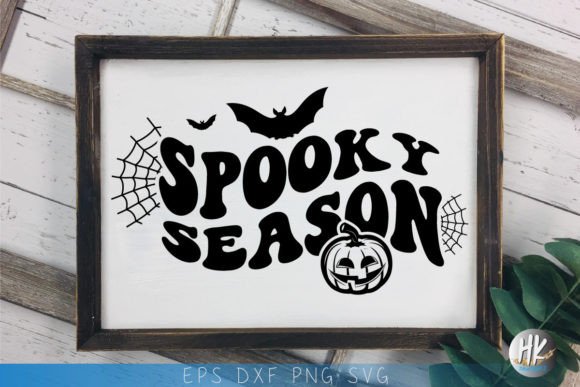
The first impression of Spooky Season Retro SVG is one of warm nostalgia. It captures that specific mid-century aesthetic where Halloween feels less about gore and more about whimsical charm. The layout suggests a cohesive scene rather than a scattered collection of icons. For an embroidery designer, this matters immensely because the visual weight needs to balance across the fabric without creating a "blob" of thread density. When I opened the file in my digitizing software, the lines felt intentional. The curves are smooth, which is a strong indicator that the machine will handle the satin stitches gracefully. It screams "handmade product" quality, making it an ideal candidate for items like custom apparel, tote bags, or holiday gifts where a touch of retro flair elevates the perceived value.
Real-World Application: From Screen to Stitch
To truly evaluate Spooky Season Retro SVG, I needed to move beyond the screen and simulate a client project. I chose a heavy-weight cotton canvas tote bag, a staple for any Etsy seller looking to expand their holiday inventory. The goal was to create a limited-run boutique product that would appeal to parents buying personalized gifts for their children.
The design performed admirably on the canvas. Because the file includes multiple formats, including EPS and DXF, transferring the vector data to the embroidery machine was seamless. The retro theme allowed for a sophisticated color palette—mustard yellows, burnt oranges, and deep purples—that stood out beautifully against the neutral background. Unlike some overly detailed graphics that get lost in the stitching process, this design maintained its personality. The stitch density appeared balanced, preventing the fabric from puckering, a common issue when working with dense fill stitches on lighter materials.
I also tested the design on a sweatshirt, a popular item for small shop merchandise. Here, the retro aesthetic really shone. The slightly distressed look often associated with vintage prints pairs perfectly with the texture of fleece. However, I noticed that the design relies heavily on clean lines. On a textured fabric like a boucle wool or a very fuzzy fleece, some of the finer details might blur. This is a crucial consideration for anyone selling finished products; the final look depends as much on the material as it does on the digital file.
Navigating Fabric Challenges and Limitations
While Spooky Season Retro SVG is versatile, no single design fits every scenario. There are specific situations where caution is required. For instance, attempting to stitch this design onto a curved surface like a baseball cap can be tricky if the design features sharp corners or intricate lettering. The curvature of the hat can distort the spacing, making the retro elements look stretched or compressed.
Furthermore, thin fabrics require extra attention. If you are planning to use this for baby embroidery on a onesie or a delicate tea towel, the stabilizer choice becomes critical. Without a high-quality cut-away stabilizer, the tension from the satin stitches could cause the fabric to pucker around the edges of the design. I recommend testing the design on scrap fabric first to gauge how the thread interacts with your specific material. Dark fabrics present another challenge; while the retro colors pop on light backgrounds, ensuring contrast on dark fabric requires selecting the right thread colors. A standard black thread might disappear against a midnight blue shirt, so checking thread color contrast before starting the run is essential.
Small hoop sizes are another area where Spooky Season Retro SVG needs careful evaluation. If the design contains tiny lettering or decorative accents, shrinking it down to fit a 4x4 inch hoop might result in lost detail. The stitches may merge together, turning fine lines into solid blobs. For these smaller applications, such as embroidered patches or embellishments on aprons, it is vital to inspect small details closely after digitizing to ensure clarity.
Impact on Brand Consistency and Customer Trust
In the world of craft business and commercial embroidery, the quality of the design directly influences customer trust. A poorly executed design can make a handmade product look cheap, regardless of the price point. Spooky Season Retro SVG, when stitched correctly, adds a layer of professionalism that buyers appreciate. The retro theme offers a unique brand identity that stands out in a sea of generic clipart designs.
For an Etsy seller or a creative entrepreneur, using a cohesive design like this helps build a recognizable style. Customers remember the vibe. When they see a tote bag or a pillow cover with this specific retro aesthetic, they associate it with quality and thoughtfulness. This recognition drives buyer engagement and repeat sales. The design acts as a visual anchor, suggesting that the maker cares about the details, from the initial digital mockup to the final finished product.
However, this professional presentation only holds true if the technical execution is sound. Using proper stabilizer and confirming hoop size are non-negotiable steps. If the design is rushed or the wrong settings are used, the result can be a tangled mess of thread that damages the reputation of the brand. Therefore, reviewing stitch density and comparing light and dark fabric backgrounds during the pre-production phase is a necessary investment of time.
Practical Notes for the Embroidery Designer
Before committing to a large production run of custom apparel or holiday gifts, there are several practical steps every designer should take. First, always check whether the design works for both personal and commercial projects by reviewing the licensing terms included with the download. Some digital embroidery files have restrictions on reselling finished items, so understanding these rules protects your craft business from legal issues.
Second, test the design in black and white mockups. This helps visualize how the different shades of thread will interact without the distraction of color. It allows you to spot potential issues with contrast or readability early on. Third, confirm the file formats provided. While the description mentions SVG, EPS, DXF, JPG, and PNG, ensuring you have the correct vector format for your specific machine is key to avoiding conversion errors.
Finally, consider the longevity of the product. Products that need frequent washing, such as kitchen towels or baby clothes, require durable stitching. If the design is too dense, it may become stiff and uncomfortable after multiple washes. Adjusting the stitch type—perhaps switching from a heavy fill stitch to a combination of running stitch and satin stitch for certain areas—can improve the drape and feel of the finished piece.
Spooky Season Retro SVG is more than just a cut file; it is a tool for creating meaningful, high-quality handmade products. Whether you are decorating a nursery, preparing for a craft fair, or launching a new line of boutique branding, this design offers a charming foundation. By approaching it with a critical eye and following best practices for stabilization and fabric selection, you can turn a simple digital asset into a standout item that customers will love.
Ultimately, the success of your embroidery project lies in the details. Take the time to test, adjust, and refine. When you do, the result will be a finished product that not only looks great but feels professional and polished. In the competitive world of crafts and graphics, that attention to detail is what separates a hobbyist from a pro.