Boo Retro SVG Cutfiles: A Designer's Stitch-Test Review
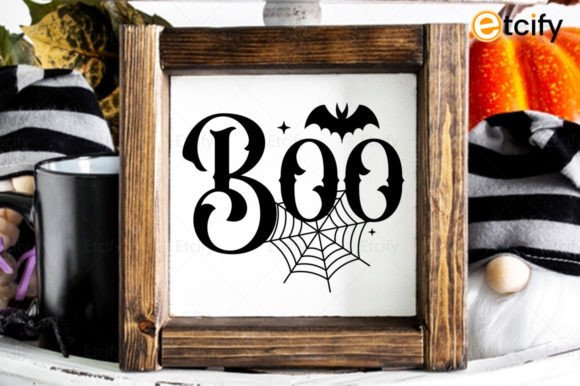
When I first opened the Boo Retro SVG Cutfiles, my immediate reaction wasn't about the file size or the format. It was about the mood. There is a specific kind of nostalgia that this design captures, a vintage Halloween aesthetic that feels warm rather than scary. As someone who spends hours evaluating digital assets for real-world embroidery projects, I look past the pretty preview to see how a design will actually behave under a needle. This isn't just another graphic; it is a potential centerpiece for a holiday collection, but does it hold up when translated from pixels to thread?
The visual personality of Boo Retro SVG Cutfiles suggests a project that belongs in a curated boutique or a cozy handmade shop. The layout is balanced, and the retro elements give it a timeless quality that appeals to both children and adults. However, the true test of any embroidery file is not how it looks on a screen, but how it stitches on fabric. In this review, I am breaking down exactly where this design shines and where you need to exercise caution before running it through your machine.
From Screen to Fabric: The Real-World Scenario
Let me walk you through a scenario I recently faced while preparing for a fall craft fair. I needed a custom embroidered tote bag design that would stand out on a crowded table. My goal was to create a product that felt personal and high-quality, something that customers would trust enough to carry their groceries or books in. I considered several options, but Boo Retro SVG Cutfiles caught my eye because of its versatility.
I decided to test the design on a heavy-duty canvas tote bag. The first thing I noticed was how the shape of the design interacts with the texture of the fabric. Unlike a flat print, embroidery adds depth. When I stitched the machine embroidery design onto the canvas, the retro details popped beautifully. The contrast between the thread colors and the natural canvas created a tactile appeal that a simple sticker or print could never achieve. It transformed a plain bag into a handmade product that felt like a gift.
This same design could easily transition to a sweatshirt for a baby shower or a nursery pillow cover. The charm of Boo Retro SVG Cutfiles lies in its ability to adapt to different contexts without losing its identity. Whether it is used as a custom apparel piece for a family matching set or as a decorative accent on an apron, the design commands attention. For an Etsy seller or a small business owner, this kind of versatility is gold. It allows you to create a cohesive brand line across multiple products, from tote bag designs to sweatshirt embroidery.
Navigating Technical Challenges and Limitations
While the aesthetic is strong, every experienced designer knows that beauty can sometimes be the enemy of functionality. If you plan to use Boo Retro SVG Cutfiles for commercial purposes or intricate gifts, there are specific areas where you must be careful. Not every surface is suitable for this level of detail.
One major consideration is the hoop size. If you are working with a smaller hoop, such as those found on home machines designed for caps or small patches, you might find that the design feels cramped. The retro elements have some fine lines that require space to breathe. Trying to force a large design into a tiny hoop often results in distortion or missed stitches. Always check the dimensions against your machine's capabilities before committing to a production run.
Fabric choice is equally critical. While the design works well on sturdy materials like denim or canvas, it can struggle on stretchy fabrics or thin materials like sheer cotton. On these surfaces, the density of the stitches can cause puckering, which ruins the clean look of the finished product. Similarly, if you are working with dark fabric, you must ensure that your thread colors provide enough contrast. A light-colored outline on a black background might get lost entirely unless you adjust the thread selection carefully.
Another tricky area is curved surfaces like hats or caps. Embroidery on curved surfaces requires precise digitizing to account for the tension changes. If the original digital embroidery file was optimized for flat surfaces, stitching it directly onto a cap might result in uneven stitch placement. You may need to re-digitize or adjust the stabilizer setup to ensure the design lays flat and maintains its intended shape.
Stitch Density and Detail Clarity
When reviewing the Boo Retro SVG Cutfiles, I paid close attention to the stitch density. High-density areas can become stiff and difficult to handle, especially on delicate items like baby clothes or tea towels. If the design includes dense fill stitches, it might feel uncomfortable against the skin. For baby embroidery, I always recommend testing the stiffness of the final stitch pattern. A soft touch is essential for infant wear.
The fine details in the retro style also require a steady hand and a sharp needle. Tiny lettering or intricate corners can sometimes blur if the thread tension is off or if the stabilizer is insufficient. Using the right stabilizer is non-negotiable here. A cut-away stabilizer is often best for maintaining the structure of the design over time, especially for items that will be washed frequently, like kitchen towels or aprons.
Elevating Your Craft Business with Smart Design Choices
For those of us running a craft business or selling on platforms like Etsy, the presentation of the finished item is just as important as the stitching itself. A well-executed design builds customer trust and enhances brand consistency. When a client receives a personalized gift or a boutique product, they are buying into the quality of the work. Boo Retro SVG Cutfiles offers a professional look that elevates the perceived value of your items.
Imagine listing a set of embroidered patches featuring this design. The retro vibe makes them highly collectible and shareable on social media. They become more than just accessories; they become conversation starters. For a small shop product, having a signature design like this helps differentiate your brand from generic mass-produced items. It shows that you care about the details and the overall aesthetic of your offerings.
However, before you start producing for sale, there are practical steps you must take. Do not assume the design is ready for immediate commercial use. Verify the licensing terms to ensure you are allowed to sell finished goods made from this file. Check the file formats to confirm compatibility with your specific software and machine. If the file is provided as an SVG, remember that you may need to convert it to a machine-readable format like .DST or .PES depending on your equipment.
Essential Pre-Production Checklist
To ensure success with Boo Retro SVG Cutfiles, follow this practical checklist derived from my own experience:
- Test on scrap fabric: Always run a test stitch on a scrap piece of the actual fabric you intend to use. This reveals issues with tension, puckering, or color contrast before you ruin a final product.
- Review stitch density: Inspect the dense areas of the design. If they look too thick, consider reducing the density or switching to a lighter thread weight.
- Confirm hoop size: Ensure your design fits comfortably within your machine's hoop limits, leaving adequate margin for hooping.
- Inspect small details: Zoom in on the smallest elements. If they are too small, they may disappear during the stitching process.
- Check thread color contrast: Compare your chosen thread colors against the fabric. A mockup in black and white can help visualize the contrast effectively.
- Verify licensing: Read the terms carefully to understand if you can sell finished items or if the license is limited to personal use only.
In conclusion, Boo Retro SVG Cutfiles is a compelling asset for anyone looking to add a touch of vintage charm to their embroidery projects. It excels in creating memorable personalized gifts and unique commercial embroidery pieces. By understanding its strengths and respecting its limitations, you can produce high-quality results that delight customers and elevate your brand. Whether you are a hobbyist making a holiday gift or a professional decorator expanding your catalog, this design has the potential to be a standout addition to your creative toolkit.