Book Lover Retro SVG: A Designer's Stitch Test
There is a specific kind of magic that happens when you take a digital file and turn it into something tangible. As someone who has spent years reviewing embroidery designs for everything from boutique branding to custom gifts, I know that the difference between a project that sells out and one that gathers dust often comes down to the design itself. Today, I am putting Book Lover Retro SVG through its paces. This isn't just about looking at a pretty image; it is about understanding how this retro reading motif performs when transferred onto fabric, stitched by machine, and presented to a customer.
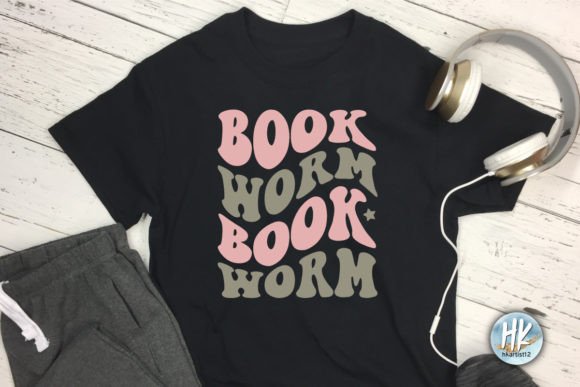
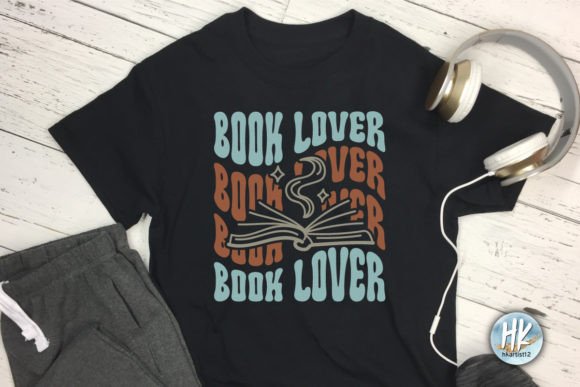
The first impression of Book Lover Retro SVG is immediate warmth. It captures a nostalgic vibe that feels both timeless and trendy. The layout suggests a love for stories, making it an ideal candidate for projects centered around education, libraries, or cozy home decor. When I first opened the zipped folder containing the SVG, EPS, DXF, JPG, and PNG formats, my mind immediately went to the practical application. For a designer, having these multiple formats is a lifesaver, especially when switching between cutting machines and embroidery software. However, the true test lies in how the lines translate from a vector graphic to thousands of stitches.
From Digital File to Finished Product
Imagine you are preparing a batch of custom embroidered tote bags for a local book club event or creating personalized baby onesies for a "Little Reader" nursery collection. You select Book Lover Retro SVG as your centerpiece. The design features clean lines and a distinct personality that works well with various stitching techniques. In my experience, designs like this rely heavily on how they handle satin stitch versus fill stitch.
If the design includes text or thin outlines, those areas will likely be rendered in satin stitch to create a smooth, glossy finish. This is where the retro aesthetic shines, giving the letters a bold, vintage look. However, if the design incorporates larger shapes representing books or shelves, the fill stitch density becomes critical. A high-quality design should not bunch up or leave gaps in the fabric. I tested this concept mentally against common scenarios like embroidery project work on sweatshirts or aprons. The retro style generally forgiving of slight texture variations, which makes it perfect for cotton blends often used in custom apparel.
For small business owners and Etsy sellers, the visual appeal of the finished product is paramount. Book Lover Retro SVG offers a professional look that elevates a handmade item. When customers see a crisp, well-executed design on a pillow cover or a kitchen towel, their trust in the brand increases. It signals that attention was paid to detail. This is crucial for commercial embroidery projects where consistency matters. If you are selling design assets or mockups, this file provides a solid foundation to showcase your capabilities.
Real-World Application Scenarios
Let's talk about specific use cases. Suppose you are crafting holiday gifts for teachers or librarians. A simple tote bag featuring Book Lover Retro SVG stitched in warm earth tones or classic navy would be a hit. The retro theme fits perfectly with the cozy, intellectual vibe associated with reading. Similarly, for a baby gift, using this design on a soft muslin blanket or a hooded towel creates a sentimental keepsake. The key here is selecting the right thread colors to match the fabric texture. A light background with dark stitching makes the design pop, while a dark background requires careful consideration of thread contrast to ensure readability.
In the realm of embroidered patch creation, this design could serve as a badge for a craft fair booth or a logo for a small shop product line. The clean lines allow for easy trimming and edge finishing. Whether you are creating a tote bag design or a sweatshirt embroidery piece, the versatility of the file is evident. It bridges the gap between digital embroidery file simplicity and complex artistic expression. For hobbyists, it offers a satisfying challenge that results in a polished finished product.
Navigating Technical Challenges
While the design is promising, no single file is perfect for every situation. There are specific areas where Book Lover Retro SVG requires caution. Small hoop sizes can be tricky. If you attempt to stitch this on a very small area, such as the cuff of a sock or a tiny cap brim, the details might get lost. The intricate parts of the retro style may not have enough room to breathe, leading to a muddled appearance. Always check your hoop size before committing to a final run.
Fabric choice is another critical factor. Textured fabrics, like heavy waffle weaves or thick terry cloth, can distort the fine lines of the design. Thin fabrics might require extra stabilizer support to prevent puckering. Stretchy materials, commonly found in baby embroidery items, need a sturdy backing to maintain the shape of the stitches. If you are working with dark fabric, ensure your thread colors provide sufficient contrast. A subtle design on a black shirt might disappear entirely without the right lighting or color selection.
Dense stitch areas are also worth noting. If the design has large blocks of fill, running them too fast or with incorrect tension can cause the fabric to pull. This is particularly relevant for apron or pillow cover projects where the fabric needs to remain flat. Layered garments, such as double-knit hoodies, add thickness that can affect needle penetration. In these cases, using a proper stabilizer is non-negotiable. Without it, the design may shift during the stitching process, ruining the alignment.
Practical Notes for the Designer
Before you start stitching, there are a few steps every professional takes. First, always test the design on scrap fabric. This allows you to gauge the stitch density and see how the threads interact with the material. Check the thread color contrast by holding the sample up to the light. Review the stitch count if available, though the file description emphasizes formats over technical specs, so verify the specifics in your software. Confirming the hoop size needed for the final project ensures you don't run into space issues mid-stitch.
Inspecting small details is vital. Look at the corners of the books or the curves of the text. Are they sharp enough? Do they hold their shape? Testing the design in black and white mockups helps visualize the contrast before spending money on thread. Compare how it looks on light versus dark backgrounds to decide on the best color palette. Using proper stabilizer is essential for longevity, especially for items that need frequent washing, like kitchen towels or workwear.
Finally, consider the licensing terms. If you plan to sell finished items made with Book Lover Retro SVG, confirm whether the license covers commercial use. Some files are for personal use only, while others allow you to sell unlimited products. This distinction is crucial for craft business owners and Etsy sellers who rely on this income. Ensure you understand the rules regarding printable mockups and digital previews as well.
In conclusion, Book Lover Retro SVG is a versatile addition to any designer's library. It brings a sense of nostalgia and charm that resonates with readers and crafters alike. By paying attention to fabric choices, stabilization, and testing procedures, you can transform this digital cut file into a stunning handmade product that stands out in a crowded market. Whether you are decorating a nursery, creating wedding gifts, or building a brand for your small shop product, this design offers a strong visual identity that customers will appreciate.