Hocus Pocus Retro Svg Cutfiles Review
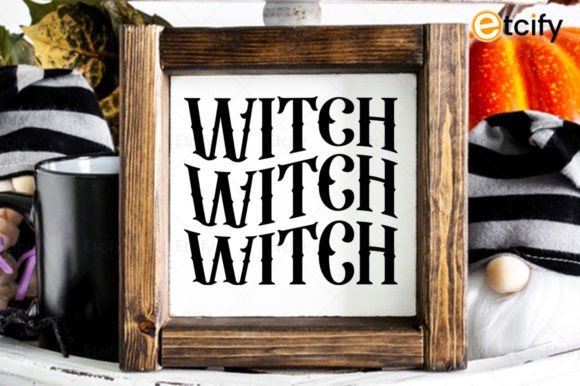
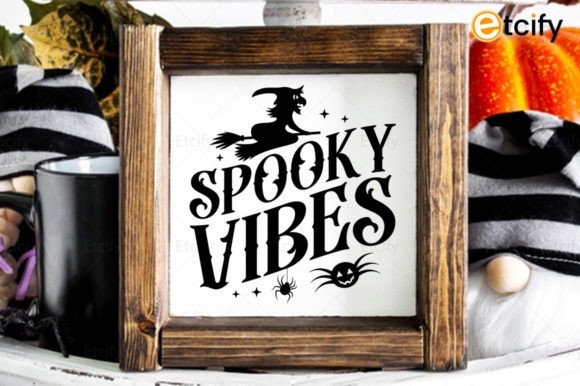
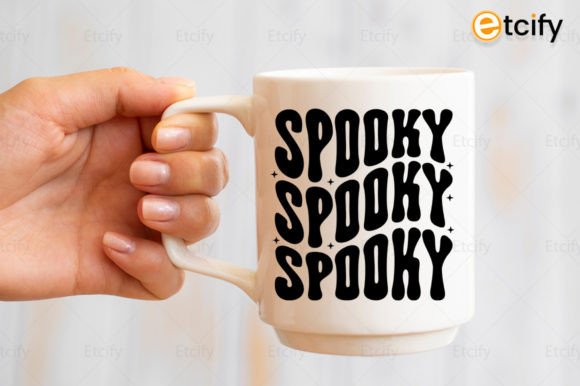
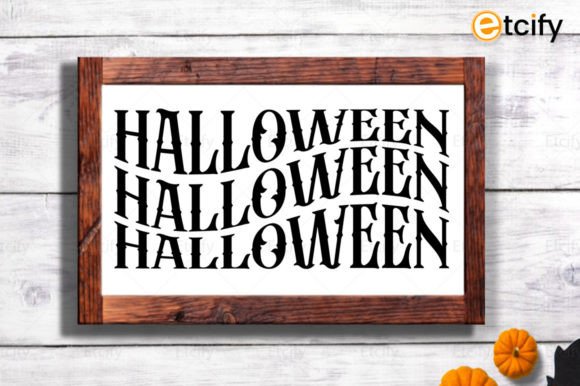
When I first opened the Hocus Pocus Retro Svg Cutfiles, my initial reaction wasn't about the file format itself, but rather the immediate nostalgia it sparked. As a designer who spends hours evaluating digital assets for real-world production, I look for more than just clean lines; I need to see how a design breathes on fabric. This particular graphic carries a distinct vintage vibe that feels perfectly suited for the current resurgence of retro aesthetics in the handmade market. It doesn't scream "new" so much as it whispers "classic," creating an atmosphere that is playful yet sophisticated enough for boutique branding.
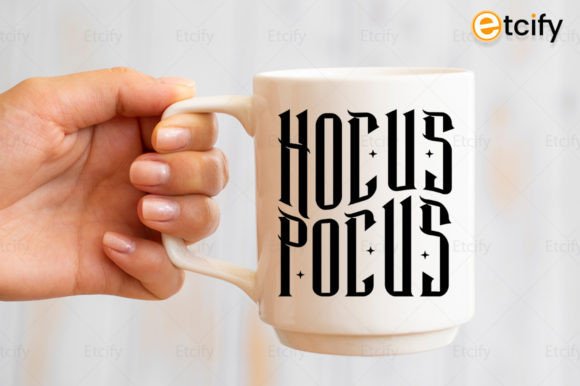
The visual personality of this design is its strongest asset. The layout balances whimsical typography with iconic imagery in a way that suggests it was pulled from a 1980s Halloween poster or a vintage candy wrapper. For an embroidery project, this mood translates beautifully. It naturally belongs on items that celebrate creativity and fun, such as custom apparel for craft fairs, holiday-themed gifts, or personalized nursery decor. Unlike generic clip art that often looks flat when stitched, this file has a depth to its shapes that promises a tactile finish once transferred to thread.
Let me walk you through a specific scenario where I envision this design shining. Imagine preparing a custom embroidered tote bag for a local witchcraft shop or a seasonal pop-up event. You are looking at a heavy-duty canvas bag, perhaps in a deep forest green or a classic black. Placing the Hocus Pocus Retro Svg Cutfiles on the front pocket creates an instant focal point. The retro style complements the rugged texture of the canvas without overwhelming it. Customers walking by would likely stop to admire the craftsmanship, recognizing the nostalgic theme immediately. It elevates a simple tote into a statement piece that feels curated and intentional, which is exactly what Etsy sellers and small business owners aim for when they want to build trust and brand loyalty.
However, moving from a digital preview to a physical stitch requires careful consideration. When evaluating this design for actual machine embroidery, the density of the stitches becomes paramount. If the original SVG contains areas of high detail, converting them directly into a machine file can sometimes lead to puckering if not handled correctly. For a project like a sweatshirt embroidery on a thick fleece, the design needs to be robust. A fill stitch approach works well here, providing a solid, opaque look that stands up against the soft texture of the fabric. Conversely, if you are aiming for a delicate baby embroidery project, such as a onesie or a bib, you must ensure the digitized version reduces the stitch count slightly to avoid making the garment stiff or uncomfortable for an infant.
There are specific situations where this design demands caution. Small hoop sizes are a frequent pain point for designers. If you attempt to stitch this retro graphic onto a tiny patch or a small cap brim, the fine details might get lost in the stitching process. Curved surfaces, like the front of a baseball cap, also present challenges. While the retro font is legible, tight curves can distort lettering if the digitization isn't precise. Furthermore, textured fabrics like waffle knits or loosely woven linens can hide the intricacies of the design. In these cases, a satin stitch border might help define the edges, ensuring the design remains crisp against the chaotic background of the material.
Dark fabrics add another layer of complexity. To make the Hocus Pocus Retro Svg Cutfiles pop on a midnight blue t-shirt or a black apron, you will need to select thread colors with high contrast. Using a light, cream-colored thread for the main text against a dark background creates a striking visual effect, reminiscent of old neon signs. However, if you plan to use multi-color threads, you must review the color palette carefully. Too many color changes in a dense area can increase the risk of thread breaks and needle jams. Testing the design in a black and white mockup first is a crucial step to verify that the value contrast holds up before you commit to expensive specialty threads.
From a commercial perspective, the versatility of this design makes it a valuable asset for any craft business owner. Whether you are producing holiday embroidery for Christmas stockings or creating personalized gifts for weddings, the retro theme offers a timeless appeal that transcends fleeting trends. It fits seamlessly into a collection of design assets that includes stationery, stickers, and digital product previews. For an Etsy seller, having a design that works across multiple mediums—from a printable mockup to a finished physical product—streamlines the workflow significantly. It allows you to offer a cohesive brand experience, whether the customer buys a digital download or a handmade item.
Before you rush to your machine, there are practical notes every professional should keep in mind. Always test the design on scrap fabric first. This simple step reveals issues with stabilizer choice, thread tension, and stitch density that aren't visible on a screen. If you are working with stretchy fabric, a cut-away stabilizer is often necessary to prevent distortion during washing. Inspect small details closely; sometimes, a tiny element in an SVG file can become a blob of thread once stitched. Confirm whether the design works for both personal and commercial projects by checking the licensing terms provided by the creator. This is especially important if you plan to sell finished items or digital products derived from the file.
The visual appeal of a finished product relies heavily on the clarity of the stitching. A well-executed embroidery file like this one enhances the perceived value of the item. When customers receive a personalized gift or a custom apparel piece, they judge the quality by how clean the stitches look and how well the design adheres to the fabric. A sloppy execution can undermine even the best design concept, while a professional finish builds confidence in your brand. The retro aesthetic of the Hocus Pocus design adds a layer of character that makes the final product feel unique and handcrafted, rather than mass-produced.
In conclusion, the Hocus Pocus Retro Svg Cutfiles offers a compelling blend of nostalgia and modern utility. It is a strong candidate for anyone looking to expand their range of handmade products, from boutique branding to family heirlooms. By understanding the nuances of fabric texture, hoop size, and stitch density, you can transform this digital graphic into a stunning physical reality. Whether you are decorating a tea towel for a kitchen towel giveaway or creating a patch for a denim jacket, this design provides the creative foundation needed to engage buyers and showcase your skills as a dedicated maker.