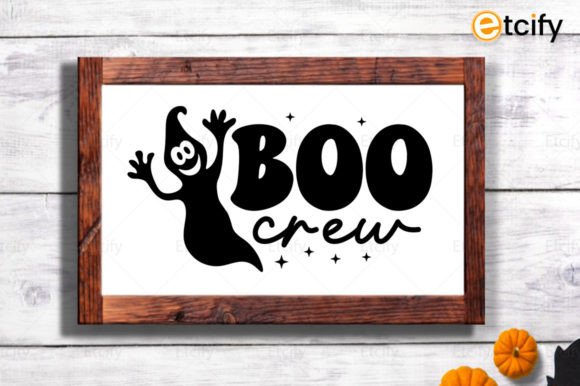
Boo Crew Retro Svg Cutfiles: A Designer's Real-World Review
When I first opened the Boo Crew Retro Svg Cutfiles, my immediate reaction wasn't about the file format or the technical specs. It was about the vibe. As a designer who spends hours troubleshooting stitch density and testing thread colors, I look for designs that tell a story before they even touch the fabric. This collection brings a distinct nostalgic energy that feels perfect for the current trend of retro-inspired crafts. It isn't just a generic ghost graphic; it has personality, a specific layout, and a visual weight that suggests it belongs on high-quality custom apparel rather than a flimsy sticker.
I decided to put this design to the test immediately. My goal was to create a small batch of boutique products for an upcoming holiday market. I wanted to see how the Boo Crew Retro Svg Cutfiles would translate from a digital screen into a tangible, stitched reality. The scenario was simple but critical: creating a limited run of embroidered tote bags and sweatshirts for a local craft shop. If the design failed here, it would fail everywhere. I needed to know if the curves held up under tension and if the details survived the stitching process without looking muddy.
From Digital File to Finished Product
The first thing I noticed when preparing the machine embroidery design was the clarity of the lines. In many embroidery files, complex shapes can get lost in translation, especially when converting from vector paths to stitch patterns. However, the Boo Crew Retro Svg Cutfiles maintained a clean silhouette that promised good results. I loaded a sturdy canvas tote bag and selected a stabilizer that matched the weight of the fabric. The goal was to achieve a crisp finish that felt professional enough to command a higher price point in a boutique setting.
Stitching the design out revealed its true potential. The layout worked beautifully on the front of the tote bag, creating a focal point that drew the eye immediately. The retro aesthetic lent itself well to the texture of the canvas, adding a tactile dimension that flat prints often lack. When I moved to the sweatshirt project, the design proved equally versatile. The curves softened nicely against the knit fabric, and the overall composition balanced perfectly with the garment's cut. It felt like a natural fit for custom apparel intended for everyday wear, not just a novelty item.
For a small business owner or an Etsy seller, this kind of versatility is gold. The design doesn't feel tied to a single product type. I could easily imagine using it on baby onesies for a nursery decor line, or perhaps as a decorative accent on kitchen towels for a holiday gift set. The visual appeal of the Boo Crew Retro Svg Cutfiles translates across different mediums, which means you aren't limited to just one revenue stream. Whether you are making personalized gifts or mass-producing merchandise for a craft fair, the design offers a consistent brand identity that customers can recognize.
Navigating Fabric and Stitch Challenges
While the design showed great promise, no review is complete without addressing where things might go wrong. Every experienced designer knows that a beautiful image on a screen does not guarantee a flawless result on fabric. There are specific scenarios where you need to exercise caution with the Boo Crew Retro Svg Cutfiles.
First, consider the hoop size. If you attempt to stitch this design on a very small surface area, such as a tiny patch or a detailed cap brim, you risk losing some of the finer details. The retro style relies on clear shapes, and cramming them into a tight space can cause the stitch density to become too heavy, leading to puckering or distortion. I recommend checking your hoop dimensions before committing to a small project. If the design feels too large, scaling it down requires careful judgment to ensure the individual elements don't merge together.
Fabric choice is another critical factor. While the design works wonders on stable materials like canvas, denim, or cotton twill, it can be tricky on stretchy fabrics or thin synthetics. Without proper stabilization, the tension of the stitches can pull the fabric out of shape, ruining the intended look of the embroidery project. Similarly, dark fabrics require a strategic approach to thread color selection. You must ensure there is enough contrast between the thread and the background so the design pops. If you choose a light thread on a dark shirt, the details might get lost in the shadows, reducing the overall impact of the finished product.
Another area to watch is the corner details. Some retro designs have sharp angles or intricate corners that can be difficult to execute perfectly, especially if the stitch direction isn't optimized. Before running a full production batch, always test the design on scrap fabric. This step allows you to inspect the satin stitch edges and the fill areas for any gaps or overlapping issues. It also gives you a chance to verify that the running stitch or other decorative accents hold their shape without fraying.
Building Trust and Value Through Quality
In the world of handmade goods, the quality of the embroidery directly influences customer trust. A sloppy stitch job or a design that looks distorted can make a craft business appear amateurish, regardless of how unique the concept is. The Boo Crew Retro Svg Cutfiles helps mitigate this risk by providing a solid foundation for a professional-looking final product. When a customer sees a well-executed design on a tote bag design or a sweatshirt embroidery piece, they perceive value in the item. They understand that time and skill went into creating it.
This perception of quality extends beyond the physical product. For digital product sellers offering printable mockups, having a design that renders clearly in both black and white previews is essential. The clean lines of this retro crew allow for effective visualization, helping buyers imagine the final result before they purchase. This transparency builds confidence and reduces returns, which is vital for maintaining a healthy reputation in the competitive graphics and crafts markets.
Furthermore, the thematic consistency of the Boo Crew Retro Svg Cutfiles supports strong branding. If you are building a shop around a specific aesthetic, having a cohesive library of designs ensures that your commercial embroidery projects look like they belong together. Whether you are selling at a holiday market or listing items online, a unified look makes your shop more memorable. Customers are more likely to return to a brand that presents a polished, intentional image.
Practical Steps for Success
To get the most out of this design, I suggest following a few practical steps before starting your next big project. Always review the stitch density settings in your software to ensure they match the fabric you are using. If the design seems too dense for a lightweight material, adjust the parameters accordingly. Also, double-check the licensing terms provided with the files. Understanding whether you can use the embroidery file for commercial purposes is crucial for avoiding legal issues when selling finished items.
Don't forget to test thread color combinations. A design that looks vibrant in one color scheme might fall flat in another. Experiment with contrasting threads to highlight the retro details and ensure the finished product stands out. Finally, invest in high-quality stabilizers. The right backing can make the difference between a design that lies flat and one that wrinkles after the first wash.
Ultimately, the Boo Crew Retro Svg Cutfiles offers a compelling option for designers and makers looking to add a touch of nostalgia to their work. With careful planning and attention to detail, it can elevate your handmade products from simple crafts to sought-after boutique items. By understanding its strengths and limitations, you can confidently incorporate this design into your creative workflow and deliver exceptional results to your customers.