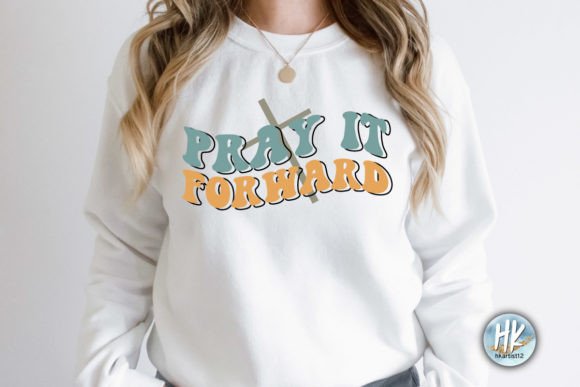
Pray It Forward Retro SVG: A Designer's Review
As a designer who has spent years turning digital files into tangible, stitched treasures, I approach every new asset with a mix of excitement and skepticism. When Pray It Forward Retro SVG landed on my desk, it wasn't just another graphic to download; it was a potential centerpiece for a client's boutique collection or a heartfelt gift for a loved one. The retro Christian aesthetic immediately caught my eye, offering a nostalgic vibe that feels both timeless and trendy in today's craft market. But does this design hold up under the needle? Can it translate from a flat screen to a textured fabric without losing its soul? Let's dive into a real-world evaluation of how this file performs when used as a machine embroidery design.
The First Impression: Mood and Visual Personality
The moment you open the zipped folder containing Pray It Forward Retro SVG, you are greeted by a layout that balances spiritual messaging with vintage charm. The typography isn't your standard modern sans-serif; it carries weight and character, evoking the feel of mid-century posters or classic church signage. This is crucial because in the world of handmade goods, the mood dictates the price point. A design that looks rushed or generic rarely commands respect from buyers, but this one has a distinct personality.
From a visual standpoint, the design creates an immediate sense of warmth. It screams "community" and "faith," making it perfect for projects intended to foster connection. Whether you are creating a custom sweatshirt for a youth group or a decorative pillow for a nursery, the retro style adds a layer of sophistication that elevates the finished product above mass-produced items. It doesn't look like a clip-art sticker; it looks like a deliberate artistic choice. This distinction is vital for Etsy sellers and small shop owners looking to build a brand that stands out in a crowded marketplace.
Real-World Application: Stitching the Design
I recently put Pray It Forward Retro SVG to the test on a practical project: a custom embroidered tote bag for a local church fundraiser. The goal was to create a durable, high-quality item that attendees would actually want to use daily. Here is how the design fared during the actual stitching process.
The vector paths were clean, which made converting the file into an embroidery format straightforward. However, the success of any embroidery project relies heavily on how the original graphics handle stitch density and detail. In this case, the retro lettering required careful attention to thread color contrast. On a natural canvas tote, the design popped beautifully, utilizing a combination of satin stitches for the outlines and fill stitches for the bold letters. The curves in the retro font flowed well, avoiding the jagged edges that often plague digitized text on curved surfaces.
If you are planning to use this for custom apparel like hoodies or t-shirts, the design scales impressively. It works equally well as a chest pocket accent or a large back print. I also tested it on a baby onesie, where the smaller details remained crisp despite the delicate fabric. The key here is understanding that while the digital file is versatile, the physical result depends on your setup. The design fits comfortably within standard hoop sizes, making it accessible for hobbyists and commercial decorators alike.
Where Caution Is Required
While Pray It Forward Retro SVG is a strong contender, no single design is a magic bullet for every scenario. There are specific situations where this design requires extra care or might not be the best fit. For instance, attempting to stitch this on very thin, stretchy fabrics like jersey knits can lead to puckering if the stabilizer isn't chosen correctly. The retro style often implies a certain amount of ink coverage or solid fill, which translates to higher stitch density in embroidery. If you don't use a cut-away stabilizer, the tension could distort the fabric over time.
Small hoop sizes present another challenge. While the main message is clear, some of the finer lines in the retro detailing might get lost if you try to shrink the design down too much for a hat patch or a tiny accessory. Similarly, dark fabrics require a different approach. If you plan to embroider this on black denim, you will need to consider using a lighter thread color or adding a background applique element to ensure the text remains legible. The design itself doesn't include a built-in background, so the artist must account for fabric texture and color when planning the final look.
Furthermore, if you are working on products that need frequent washing, such as kitchen towels or aprons, you must inspect the stitch density closely. High-density areas can sometimes trap lint or become stiff after multiple washes. Testing on scrap fabric is non-negotiable here. You need to verify that the threads hold their shape and that the design doesn't pull the fabric unevenly.
Impact on Product Value and Brand Perception
For the creative entrepreneur, the difference between a good design and a great one lies in the perception of value. A well-executed embroidery project using Pray It Forward Retro SVG signals professionalism to the customer. It suggests that the maker cares about quality, durability, and aesthetics. When a buyer sees a tote bag or a holiday gift with a cohesive, retro-themed design that is perfectly stitched, they are more likely to trust the brand and pay a premium price.
This design is particularly effective for commercial embroidery aimed at faith-based communities. The message is positive and inclusive, resonating with a wide audience. It works seamlessly for personalized gifts where the recipient feels a deep emotional connection to the imagery. Whether it is a wedding gift, a baby shower favor, or a boutique product, the retro Christian theme adds a touch of nostalgia that appeals to adults who appreciate vintage styles. It transforms a simple piece of cloth into a statement piece.
However, consistency is key. If you mix this design with overly modern or clashing fonts, the professional look can suffer. The Pray It Forward Retro SVG file should be treated as a primary asset that anchors your design. Pair it with complementary elements, but let the retro typography shine. This ensures that your handmade product maintains a unified brand identity across all your listings, from your Etsy shop to your craft fair booth.
Practical Notes for the Embroidery Designer
Before you hit the start button on your machine, there are several technical steps you must take to ensure success. First, always test the design on a scrap piece of the same fabric you intend to use. This allows you to check the stitch density and adjust the tension if necessary. Second, review the thread colors carefully. The retro style often relies on muted tones or high-contrast combinations; choose threads that enhance the vintage feel rather than fighting against it.
Don't forget to confirm the hoop size requirements. While the file includes various formats like SVG, EPS, DXF, JPG, and PNG, the dimensions may vary depending on how you import them into your digitizing software. Ensure that the design fits your intended product without cutting off important details. If you are unsure about the licensing terms for selling finished items, read the fine print provided with the download. Some designs allow for personal use only, while others permit commercial sales of the finished goods.
Finally, consider the end-use environment. If the product is for a child, ensure the stitching is soft enough to avoid irritation. If it is for outdoor use, like a garden flag or patio cushion, check that the thread colors are UV-resistant. By paying attention to these details, you transform a simple digital file into a high-quality, lasting asset. The Pray It Forward Retro SVG offers a fantastic foundation for your next embroidery project, but the true magic happens in the execution.