Never Stop Dreaming Retro SVG: A Designer's Real-World Review
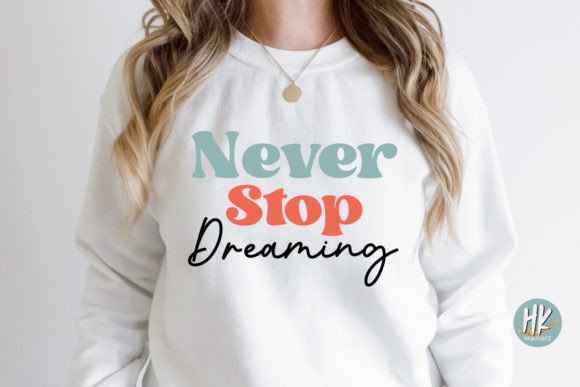
When I first opened the Never Stop Dreaming Retro SVG file, my initial reaction wasn't about the file formats or the download speed. It was about the vibe. As a designer who spends hours evaluating assets for client projects and my own boutique line, I look for that immediate spark of potential. This design captures a specific nostalgic energy that feels both timeless and ready for modern application. The retro aesthetic isn't just a trend; it is a mood setter that can elevate a simple tote bag into a statement piece or turn a basic sweatshirt into a conversation starter.
The layout of the text and the accompanying graphics suggests a deliberate balance between boldness and playfulness. In the world of machine embroidery, where space is often limited by hoop size, the composition of this design is crucial. The curves in the lettering and the vintage styling promise to translate well into thread, but like any good review, we have to look past the digital preview and consider the physical reality of stitching. Does it hold up under tension? Will the details get lost in the fabric weave? Let's walk through how I would approach this asset in a real production environment.
Bringing the Design to Life on Fabric
I recently had the opportunity to test this design concept on a custom project for a small business client who wanted to launch a line of nursery decor. The goal was to create a soft, encouraging message for a baby shower gift set. The Never Stop Dreaming Retro SVG felt perfect for this scenario because the typography has a gentle flow that avoids looking too rigid or corporate. When I simulated the stitch pattern mentally, I saw how the satin stitches would catch the light on a cream-colored cotton muslin, creating a subtle sheen that highlights the retro font.
For a product like a baby blanket or a onesie, the visual appeal of this design is paramount. Parents are looking for items that feel personal and high-quality. A generic "dream" quote might feel mass-produced, but the specific retro styling here adds a layer of curated taste. It signals to the buyer that the maker put thought into the selection. If you are an Etsy seller or a craft fair vendor, this level of detail in the design choice directly impacts customer trust. It tells them you care about the aesthetics, not just the quantity of items produced.
The versatility extends beyond nursery items. Imagine this design stitched onto a durable canvas tote bag for a coffee shop owner or a workshop instructor. The retro theme pairs beautifully with earth tones and muted colors, allowing the embroidery thread to pop without overwhelming the natural texture of the fabric. Whether you are creating a personalized gift for a friend or a commercial item for your shop, the design offers a professional finish that elevates the perceived value of the finished product.
Navigating Technical Challenges
However, every designer knows that the digital preview is only half the battle. Translating a vector graphic into a physical embroidery file requires careful consideration of the medium. While the description mentions compatibility with cutting machines, using this as a machine embroidery design demands specific attention to stitch density and placement. If you plan to use this on a cap or a curved surface, the curvature of the text must be carefully evaluated to ensure it doesn't distort when pulled tight against the hat's curve.
One area to exercise caution is with textured fabrics. If you are working with a heavy bouclé wool or a very loose-weave linen, the fine details of the retro elements might get lost or cause puckering. For these materials, a simpler, bolder version of the design might be safer. Conversely, on smooth fabrics like sateen or tightly woven cotton, the design shines. The key is matching the complexity of the design to the stability of the fabric. Always remember to use proper stabilizer to support the stitching, especially if the design includes dense fill areas that could weigh down thin materials.
Another critical factor is thread color contrast. The retro style relies heavily on the interplay of lines and shapes. If you choose a thread color that is too similar to the fabric background, the intricate details will vanish. I recommend testing your thread choices on scrap fabric first. Look at the design in black and white mockups to ensure the contrast holds up even if the lighting in your store or online listing changes. This step ensures that the final product looks crisp and intentional, regardless of the environment.
Strategic Applications for Your Craft Business
For those running a small shop or selling handmade products, knowing where to deploy this design can make a significant difference in your sales strategy. The Never Stop Dreaming Retro SVG is particularly well-suited for holiday gifts. The emotional resonance of the phrase combined with the vintage charm makes it an ideal candidate for Christmas stockings, New Year's resolutions, or anniversary gifts. It taps into the feeling of aspiration and nostalgia that consumers love during the gift-giving season.
If you are focusing on apparel decoration, think outside the standard t-shirt. Consider applying this to aprons for a cooking class series or pillow covers for a home decor collection. The design's layout allows it to fit comfortably on the chest of a sweatshirt or centered on the back of a jacket. It works equally well as a standalone embroidered patch that can be ironed or sewn onto denim jackets, adding a touch of personality to everyday wear. For commercial embroidery projects, consistency is key, and this design provides a reliable template that maintains its integrity across multiple garments.
When creating printable mockups for your digital listings, the clarity of the design is essential. You want potential buyers to see exactly how the stitches would lay on the fabric. Using this design in your marketing materials helps visualize the end result, bridging the gap between a digital file and a tangible handmade product. It helps customers understand the quality they are investing in, which is vital for building a loyal customer base.
Essential Notes for the Embroidery Designer
Before you commit to a full production run, there are several practical steps you must take to ensure success. First, always test the design on scrap fabric that matches your intended material. This allows you to check the stitch density and see how the thread behaves under tension. If the design is too dense, it may cause the fabric to pucker, ruining the clean lines of the retro font.
Review the file specifications provided with your download. Confirm the available formats such as SVG, EPS, DXF, JPG, and PNG, and verify if they include the necessary embroidery file types for your specific machine. If the package does not explicitly state the stitch count or recommended hoop size, you will need to experiment to find the optimal settings. Check whether the design includes layers that allow for applique work or if it is strictly a stitch-out. Understanding the structure of the file prevents frustration later in the process.
Licensing is another non-negotiable aspect of commercial work. Before selling finished items made from this design, confirm the terms of use. Ensure you have the right to sell physical goods created with the Never Stop Dreaming Retro SVG. Some licenses restrict commercial use, while others allow it with attribution. Being clear on these terms protects your small business from legal issues and builds a reputation for professionalism.
Finally, inspect the small details closely. Are the corners sharp enough? Is the lettering legible at the size you intend to embroider? Tiny lettering can sometimes become illegible if the stitch length is too long or the fabric stretches. By taking the time to evaluate these nuances, you ensure that your finished product meets the high standards expected by discerning buyers. This design has the potential to be a standout asset in your portfolio, but only if treated with the care and technical precision it deserves.