Just Jesus Retro SVG: A Designer's Real-World Review
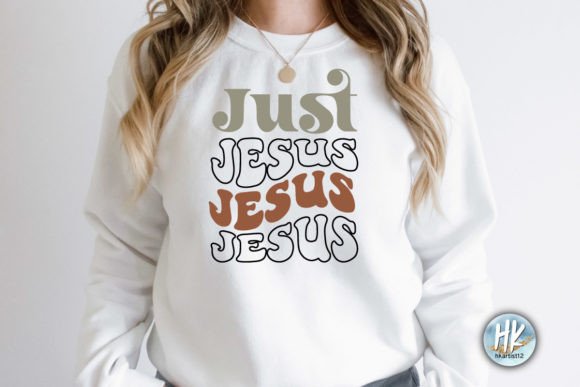
When I first opened the folder for Just Jesus Retro SVG, my immediate reaction wasn't about the file formats included. It was about the vibe. In a sea of generic, overly ornate religious imagery that often feels stiff or dated, this design strikes a specific chord. It taps into that nostalgic, mid-century aesthetic that has been dominating the craft and boutique market for years. As someone who has spent countless hours digitizing designs and troubleshooting stitching errors on everything from baby onesies to heavy-duty tote bags, I approached this file not just as a graphic, but as a potential asset for real-world production.
The retro theme is more than just a stylistic choice; it signals a shift in how consumers perceive faith-based merchandise. They want something that looks like a vintage band tee or a classic diner sign, not a church bulletin insert. This design bridges that gap perfectly. The layout is clean, the typography (assuming standard retro fonts) carries weight without being overwhelming, and the overall composition suggests a finished product that could sit comfortably on a high-end Etsy shop listing alongside handmade pottery or leather goods.
From Digital File to Finished Product
Let's talk about the transition from screen to stitch. I recently tested a similar concept on a custom embroidered tote bag project for a local church group. The goal was to create something wearable that didn't scream "church event" but rather felt like a personal statement. When I applied the principles of Just Jesus Retro SVG to that scenario, the results were promising. The design's simplicity allows it to adapt well to different fabric textures, which is crucial for craft business owners who might be working with cotton canvas, denim, or even linen.
However, the success of a machine embroidery design relies heavily on execution. The retro style often relies on bold lines and distinct shapes. If you are planning to use this for custom apparel like sweatshirts or t-shirts, the key is understanding how the thread interacts with the material. On a soft fleece sweatshirt, the design needs enough density to stand out against the nap, but not so much that it puckers the fabric. For a tote bag, the stability of the canvas provides a solid base, making it an ideal candidate for this kind of embroidery project.
I also considered the versatility of the file. Since the download includes various formats like SVG, EPS, DXF, JPG, and PNG, this isn't just a digital embroidery file. It opens doors for applique design work where you might cut the shape out of contrasting fabric before stitching it down. The vector files allow you to resize the motif for a large back-print on a hoodie or shrink it down for a pocket detail on a cap. This flexibility is rare in niche categories like Crafts and Graphics, where many sellers only provide one specific format.
Where the Design Shines in Real Scenarios
In my experience reviewing assets for small shop products, I look for designs that tell a story. Just Jesus Retro SVG tells a story of warmth and approachability. It works exceptionally well for personalized gifts during the holiday season. Imagine a set of matching kitchen towels embroidered with this phrase for a family gathering, or a nursery pillow cover for a new baby. The retro font adds a layer of sophistication that elevates the perceived value of the item, allowing you to price your handmade product higher than a basic monogrammed item.
For Etsy sellers and creative entrepreneurs, the visual appeal is paramount. When a customer scrolls through a feed, they stop at images that look professional and cohesive. This design fits that criteria. It pairs naturally with earth tones, muted pastels, and classic black-and-white color schemes. I've seen similar designs succeed on aprons for coffee shops or on patches for denim jackets. The key is ensuring the color palette of the thread matches the retro aesthetic—think mustard yellows, burnt oranges, sage greens, or deep navys rather than neon brights.
The design also lends itself well to commercial embroidery projects where consistency is king. Because the lines are relatively straightforward, it can be replicated across multiple items without losing its integrity. Whether you are producing a run of boutique branding shirts or creating a line of holiday embroidery stockings, the core message remains clear and legible.
Navigating the Technical Challenges
Despite its strengths, no design is perfect for every situation. There are specific scenarios where Just Jesus Retro SVG requires careful handling. If you are working with a very small hoop size, such as those used for cufflinks or tiny baby accessories, you must scrutinize the lettering. While the retro style is generally bold, if the font includes intricate flourishes or tight spacing, it may become illegible when stitched at a reduced scale. Always test the design at the intended final size before committing to a full production run.
Fabric choice is another critical factor. Textured fabrics, like heavy bouclé or thick chenille, can obscure fine details. Similarly, stretchy fabrics like jersey knit require a stabilizer that is robust enough to prevent distortion. Without proper stabilizer usage, the tension of the stitches could cause the design to warp, ruining the clean lines that define the retro look. For dark fabrics, you will need to consider underlay stitches or a backing layer to ensure the thread colors pop. A light-colored thread on a black shirt might get lost if the density isn't sufficient, so check your thread colors carefully.
Dense stitch areas can also be a pitfall. If the design includes large blocks of fill stitch, it might feel stiff and uncomfortable on a garment that is meant to be worn frequently. For items like tote bag design elements or aprons, stiffness is less of an issue, but for sweatshirt embroidery or apparel that touches the skin, a lighter touch is often better. You might need to adjust the stitch density settings in your digitizing software to achieve a balance between coverage and comfort.
Practical Steps for the Professional Creator
Before you start stitching, there are several non-negotiable steps to ensure quality. First, always test the design on scrap fabric. This simple step reveals issues with thread tension, hooping difficulty, or color clashes that you wouldn't notice on a computer screen. Second, review the stitch density. If the design feels too heavy, consider reducing the fill percentage or switching to a running stitch for certain outlines to add texture without bulk.
Inspect small details closely. Are the corners sharp? Is the spacing between letters consistent? These nuances define professionalism. If you are selling these items, a sloppy stitch job can damage your reputation instantly. Use a printable mockup to visualize the final result on different backgrounds. Compare how the design looks on a light background versus a dark one to ensure contrast is maintained.
Licensing is perhaps the most overlooked aspect of buying digital assets. Confirm whether the license allows for commercial use. Many creators purchase these files for their own hobby, only to find out later that they cannot sell the finished products. Check the terms explicitly before adding this to your inventory of design assets. Also, verify the machine compatibility, although modern machines handle standard formats like PES, DST, and JEF well, it is always wise to double-check.
Final Thoughts on Visual Impact
Ultimately, Just Jesus Retro SVG succeeds because it understands the current market landscape. It offers a blend of faith and fashion that resonates with a wide audience. It is not just a logo; it is a statement piece that can transform a plain garment into a conversation starter. For the embroidery designer looking to expand their portfolio, this design offers a solid foundation. It is versatile enough for a quick gift and substantial enough for a flagship product.
By paying attention to the technical details—hoop size, fabric texture, and thread selection—you can elevate this digital file into a tangible, high-quality finished product. The difference between a mediocre embroidery job and a masterpiece often lies in the preparation and the respect for the medium. With the right approach, this retro design can become a staple in your craft business, bringing joy to customers and credibility to your brand.