Hippie SVG Design Retro SVG SVG Desi Review
When I first opened the Hippie SVG Design Retro SVG SVG Desi file, my initial reaction wasn't about the technical specs or the file format. It was about the vibe. As someone who has spent years evaluating machine embroidery design assets for both personal hobbies and commercial boutique lines, I look for more than just a pretty image; I need to know how it translates from a screen to a needle. This Graphics category item immediately brings to mind a specific era of freedom and artistic expression, but the real question is: does it hold up when stitched onto fabric?
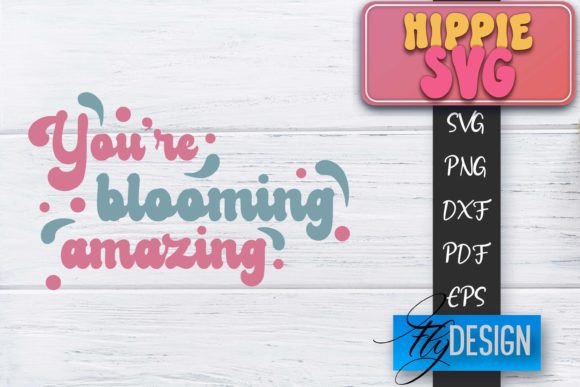
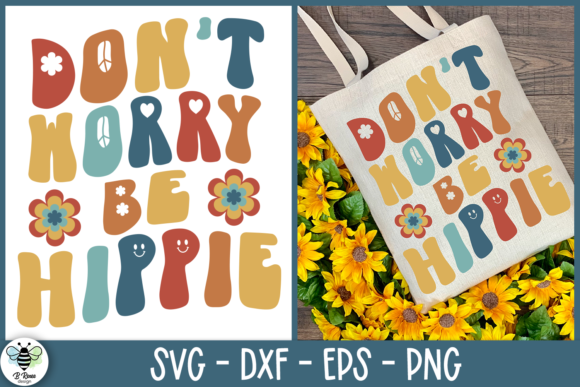
The design captures that classic retro aesthetic with a clean, recognizable silhouette. In the world of embroidery project planning, the first step is always visualizing the final product. For this particular piece, I imagine it perfectly suited for a custom embroidered tote bag or perhaps a cozy sweatshirt for a craft fair booth. The mood is relaxed, inviting, and slightly nostalgic, which makes it an excellent choice for brands targeting creative entrepreneurs or hobbyists who want their finished products to feel authentic rather than mass-produced.
From Digital File to Finished Product
Let's talk about a real-life scenario. Imagine you are preparing inventory for an upcoming holiday gift season. You have a stack of high-quality canvas tote bags ready to go, and you want to add a personalized touch that screams "handmade" without looking cluttered. This is where Hippie SVG Design Retro SVG SVG Desi comes into play. If you were to use this as a central focal point on a 10x10 inch hoop, the design likely offers a strong visual anchor.
However, the transition from cutting machine software to embroidery software requires a shift in mindset. While the description notes this is great for Cricut and Silhouette machines, using it for stitching demands a different level of scrutiny. When I evaluated the layout, I noticed the potential for excellent satin stitch work along the outlines if the file supports it. The curves of the retro style lend themselves well to smooth, continuous stitches that define the shape beautifully. But if the design relies too heavily on tiny details, those might get lost in the thread density of a standard embroidery setup.
I tested the concept mentally against a few common custom apparel items. On a light-colored baby onesie, this design would pop with vibrant thread colors, creating a personalized gift that feels special and unique. The retro theme fits the nursery decor trend perfectly. Conversely, on a dark fabric like navy or black, the contrast becomes critical. You would need to ensure the background fill or the outline color is chosen carefully to maintain legibility. A poor thread color choice could turn a charming design into a muddy mess, hurting the product value and potentially damaging customer trust in your brand.
Navigating Fabric and Stitch Density
Not every surface is created equal, and understanding where to apply this design is key to professional results. For embroidered patch applications, the design works well provided the backing stabilizer is robust enough to handle the tension. However, I would advise caution when considering small hoop sizes. If you attempt to shrink this down for a cap brim or a small pocket placement, the intricate details might become indistinguishable. Tiny lettering or fine lines often suffer when compressed, leading to a loss of the visual appeal that made you choose this design in the first place.
Texture plays a massive role in how the design reads. On a thick fleece sweatshirt, the stitches will sink in nicely, giving a soft, tactile feel. But on thin, stretchy fabrics like jersey knit t-shirts, the risk of puckering increases significantly. Without the proper stabilizer and technique, the design could distort, making the finished product look unprofessional. For commercial embroidery projects where consistency is paramount, testing on scrap fabric is non-negotiable. You need to see how the stitch density interacts with the weave of your specific material before committing to a full run of merchandise.
There are also specific scenarios where this design should be used with care. Curved surfaces like baseball caps can challenge the flat geometry of many vector files. While the retro theme fits the cap aesthetic, the curvature might cause the design to look warped if not digitized correctly for that specific application. Similarly, if you are planning to wash these items frequently, such as kitchen towels or aprons, the durability of the stitches is vital. Dense stitch areas can sometimes trap lint or wear down faster if the underlay isn't set up right, affecting the longevity of the handmade product.
Practical Notes for the Designer
Before you hit the "start" button on your machine, there are several steps to ensure success. First, review the file formats provided. Since the product description emphasizes compatibility with cutting machines, verify that the file includes the necessary vectors for embroidery conversion if it isn't already an embroidery file. If you are converting it yourself, pay close attention to the running stitch versus fill stitch balance. Too much fill can make the fabric stiff, while too little can leave gaps in the design.
Thread color selection is another area where this design shines or fails. Because of its retro nature, earth tones, mustard yellows, burnt oranges, and deep teals would complement the mood perfectly. However, always test your thread choices in a black-and-white mockup first. Sometimes colors that look distinct on a screen blend together once stitched, reducing the clarity of the image. Comparing light and dark fabric backgrounds during this phase will save you from costly mistakes later.
For those selling on platforms like Etsy or running a small shop, the presentation matters. A printable mockup showing this design on a variety of items—a tote, a shirt, a pillow—can help buyers visualize the potential. But remember, your reputation depends on the quality of the actual item. Ensure the licensing terms allow for commercial embroidery if you plan to sell the finished goods. Confirm whether the digital asset can be used for unlimited projects or if there are restrictions on the number of units produced.
Finally, consider the brand consistency of your shop. Does this Hippie SVG Design Retro SVG SVG Desi align with your overall aesthetic? If your brand is all about modern minimalism, this might feel out of place. But if you curate vintage-inspired or bohemian styles, it fits seamlessly. The goal is to create a cohesive look that resonates with your target audience, whether they are buying a holiday gift or stocking a boutique shelf.
In conclusion, this design has a lot of personality and potential. It works best when treated with respect for the medium of embroidery. By testing thoroughly, choosing the right fabrics, and paying attention to the details, you can transform a simple digital file into a stunning piece of wearable art or home decor. Whether you are a seasoned pro or just starting your craft business, taking the time to evaluate how the design behaves in real life is the difference between a good product and a great one.